Are You a FOMO Trader? — Eight Things FOMO Traders Say
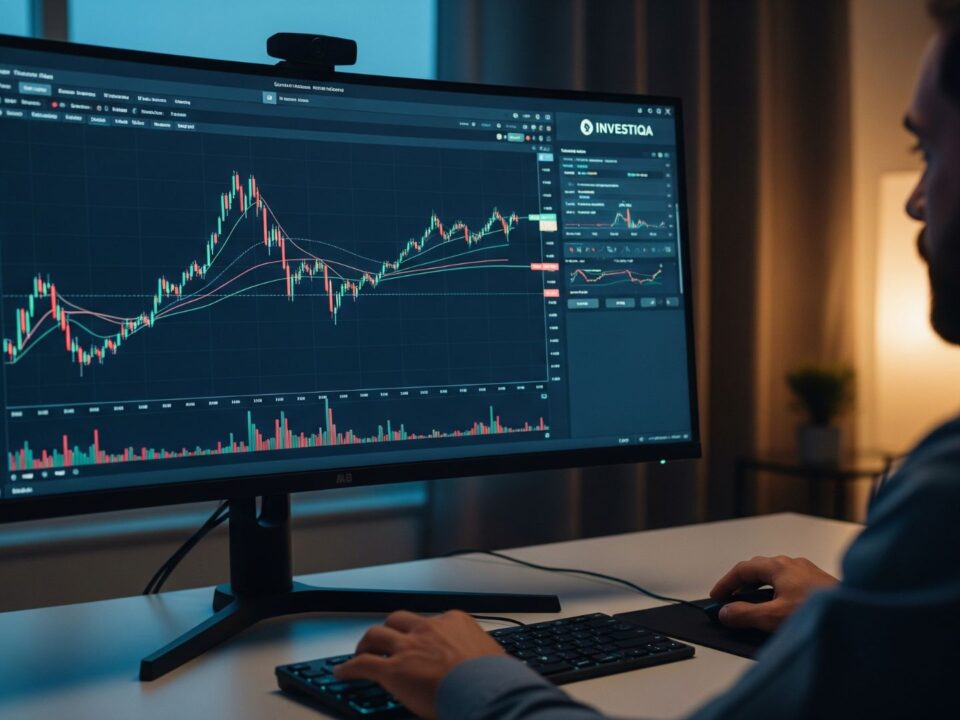
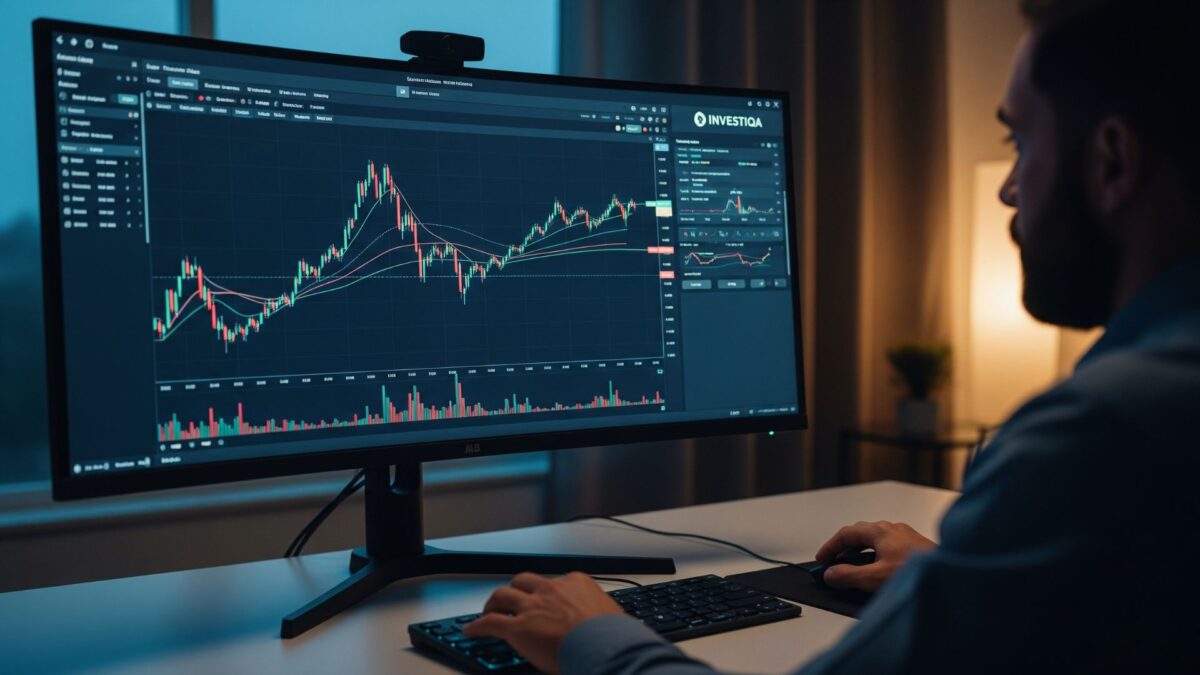
In any moment of the trading day, thousands of markets are open; hundreds of thousands of charts change around the clock, five days a week, and every fluctuation appears to offer profit potential. Managing the pressure of missed trades is therefore challenging. Each day you must accept profits that did not reach your account; mentally replaying “what could have been” often damages psychological resilience and leads to costly errors.
“Fear of Missing Out” (FOMO)
If you recognize yourself in the statements below, FOMO likely influences your routine:
- “I knew it!” — you watched a setup but did not take it.
- “Not this time.” — you enter too early after missing a trade.
- “I could have made so much today.” — you fixate on hypothetical gains.
- “I waited so long for this one.” — you jump in due to anxiety.
- “It still has room to run.” — you enter late, afraid to act earlier.
- “I have a feeling…” — you justify a trade that fails your checklist.
- “Just this once.” — you gamble and hope for luck.
- “I’ll take a small position.” — you rationalize breaking your own rules.
What drives FOMO trading?
Unlike games with defined starts and finishes (football, roulette, blackjack), trading feels continuous. The result is not final until you close a position—and you can always open another one. After every price tick you see “potential profit,” and a new order is only a click away; skipping a trade can feel like “leaving money on the table.”
Three common FOMO scenarios
1. Entering early to avoid missing out
You planned to wait for full confirmation, but price moves first. You break rules, enter early, widen risk (SL farther than planned), maybe even add when price reaches your original entry—undermining sizing and risk management. The trade often underperforms because prerequisites were not met.
2. Waiting for the perfect setup—then chasing
Missing a trade because signals appeared earlier is frustrating. Many then chase the next one prematurely. Remember: if criteria were not met, it was not your setup. Your rules exist to protect both you and your capital over the long run.
3. Waiting for confirmation (the ideal)
Use a trading plan and a checklist. The plan defines scenarios; during the session you only confirm criteria. The checklist enforces accountability and visualizes progress, reducing rule-breaking when it flags “do not trade.”
Practical takeaway: codify entries, require confirmation, and accept that you will not capture every opportunity. Robust rules counteract FOMO and preserve capital.